
While mowing the lawn a couple of days ago, I noticed something taking over my grass: a low-growing, spreading ground vine known as Ground Ivy (Creeping Charlie).
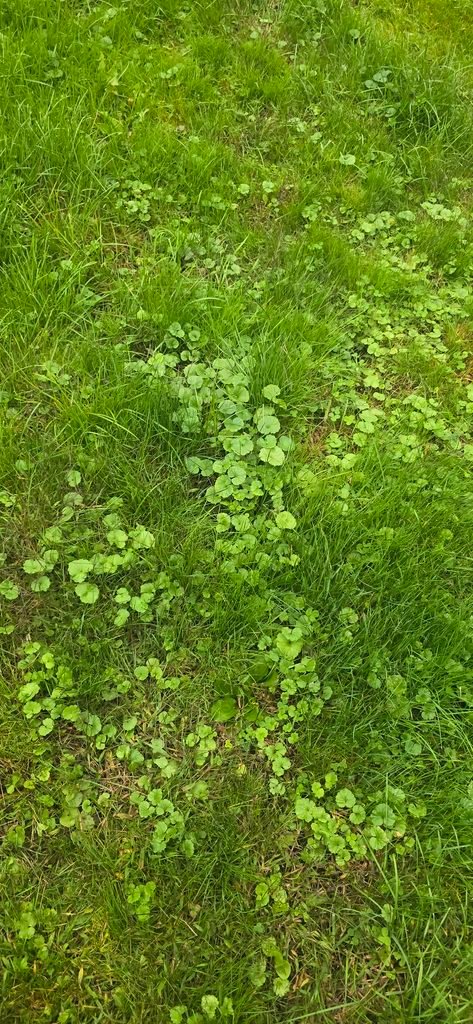
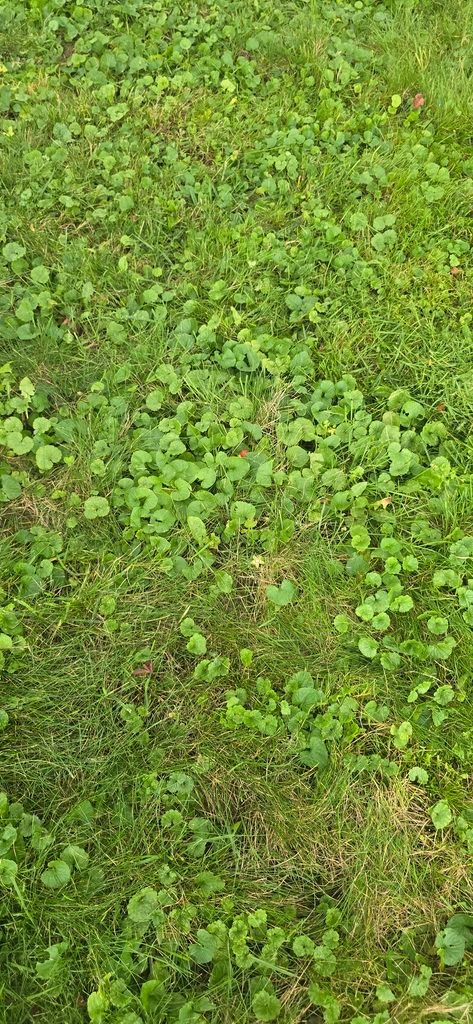
Over the past season and a half, I’ve used standard granular weed and feed applications (like Ortho Ground Clear Concentrate) about three times. While it definitely helped improve the overall density and look of the lawn, it just wasn’t knocking out these tough ground vines.
Finding the Right Solution
After looking into targeted herbicides specifically formulated for aggressive broadleaf weeds like ground ivy and clover, I went with Hi-Yield Triclopyr Ester 8oz is enough for 10 gallons if you get the concentrate with hand 1-gallon pump sprayer (save money over time)
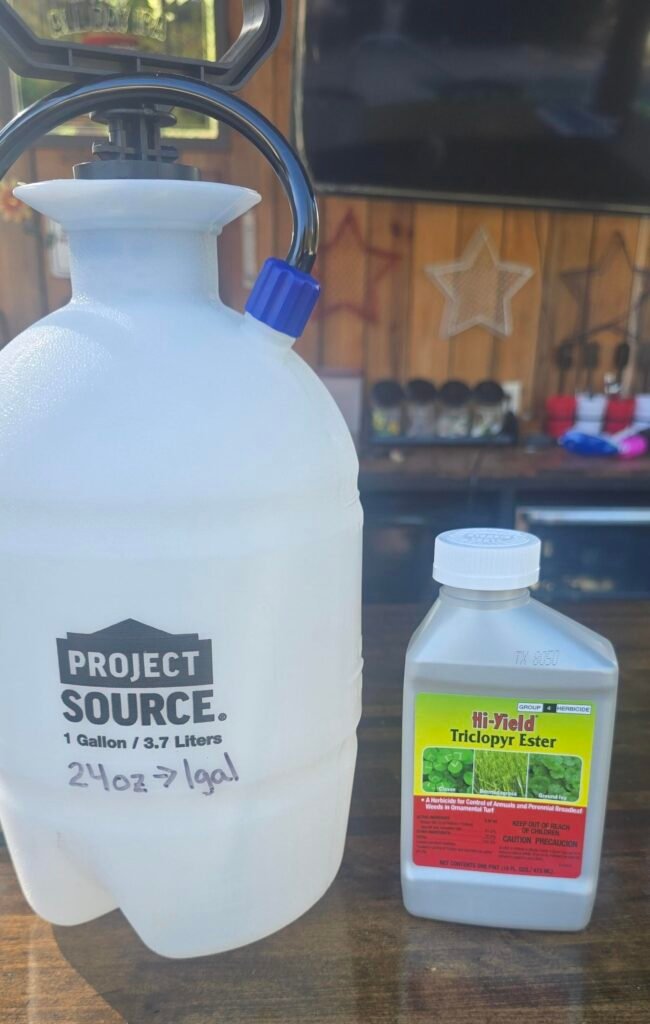
Because ester formulations of triclopyr work exceptionally well on hard-to-kill perennial broadleaf weeds, this was exactly what I needed to tackle these persistent creeping vines.
Mixing & Equipment
To make sure I didn’t burn the lawn or under-dose the weed, accurate measurement was key:
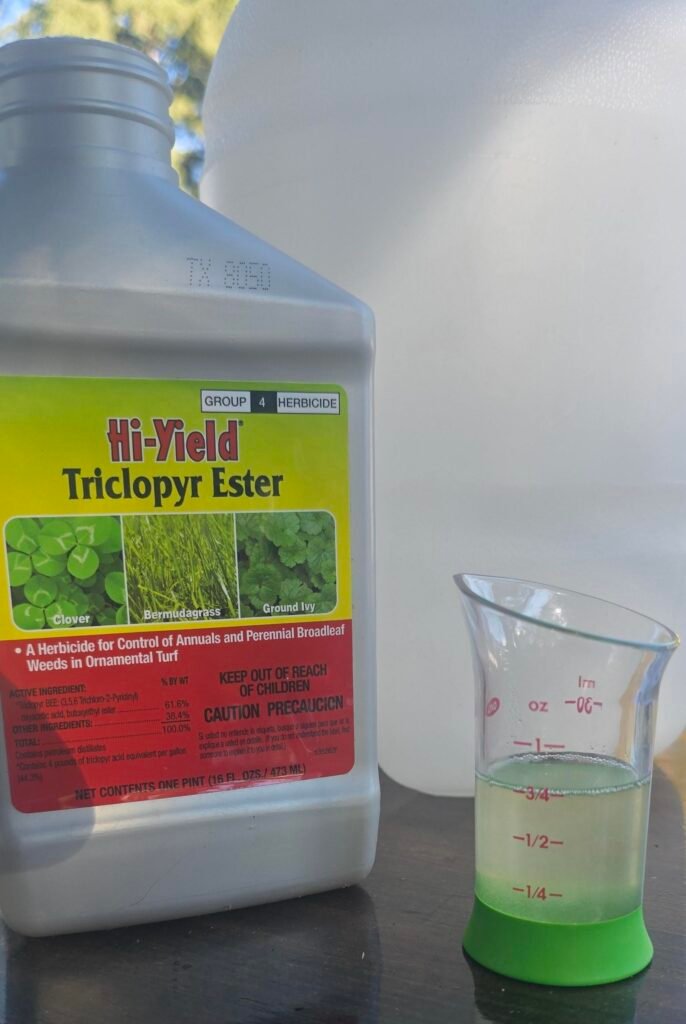
Measurement: I measured out 3/4 oz of the Hi-Yield Triclopyr Ester using these OXO Good Grips measuring beakers on Amazon.
Sprayer: I mixed it into my 1-Gallon Project Source Pump Sprayer. Cheapest at Lowes or Im sure Home Depot carries a similar product.
Sprayer Review Note: I really like this Project Source pump sprayer. The pressure lasts surprisingly long—I only had to pump it about 3 to 4 times throughout spraying the entire gallon. Plus, the twist-lock handle makes it really easy to lock down and carry around the yard while working.
Real-Talk on PPE & Managing the Breeze
Let’s be honest: a lot of us can be pretty hard-headed when it comes to jumping into yard work without grabbing proper Personal Protective Equipment (PPE) first. I’ll admit, outside of wearing shoes, I didn’t gear up before getting to work.
However, once you start spraying, you quickly realize how smart it is to wear proper protection (like safety glasses/goggles, long pants/sleeves, and chemical-resistant gloves):
Watch the Wind: Even a slight breeze can pick up fine spray mist and cause spray drift. Liquid herbicides like triclopyr can irritate your eyes and skin upon contact.
Technique: To minimize risk, I kept the sprayer nozzle low to the ground and paid strict attention to the breeze. If any wind kicked up, I made sure to spray in the same direction the wind was blowing so the mist traveled away from me rather than back into my face or onto my clothes.
Pet Safety & Lawn Caution Signs
If you have pets or live in a neighborhood with dog walkers, using lawn warning signs is an important step.
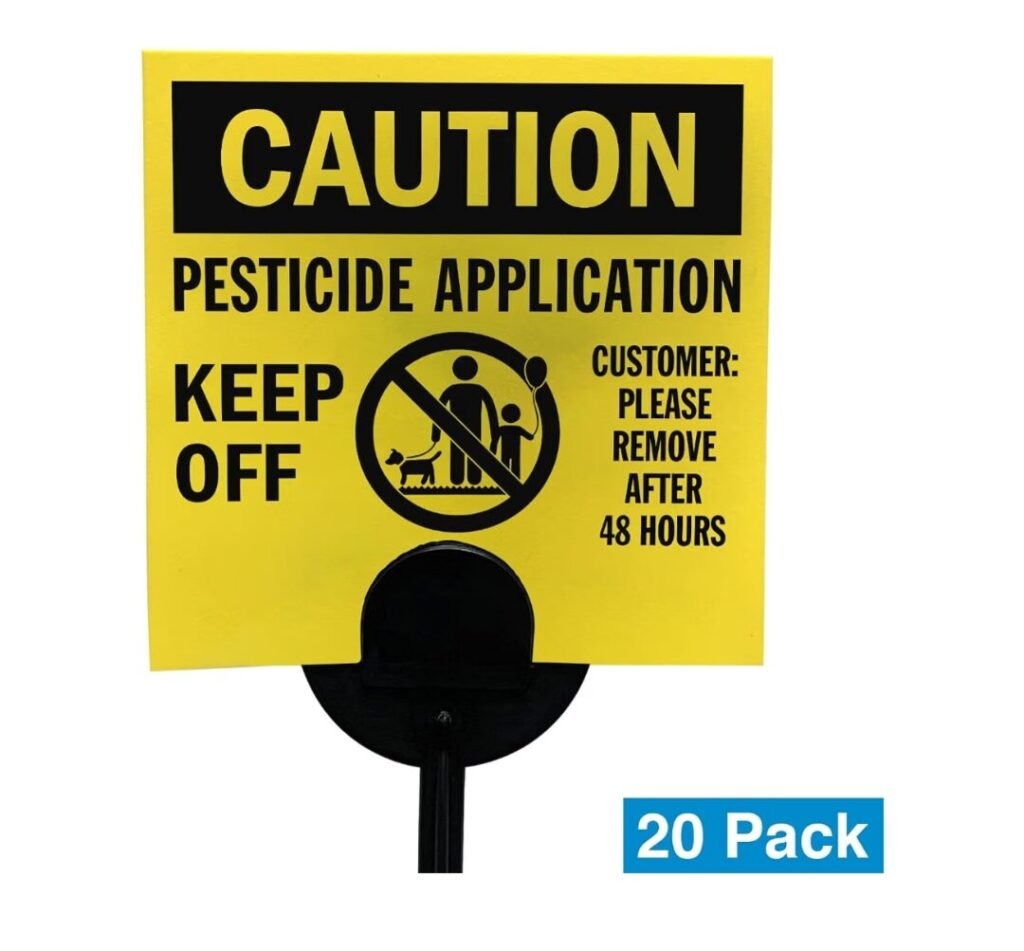
Why Is Triclopyr Dangerous for Pets?
Wet Contact & Ingestion Risks: While wet, chemical herbicides can adhere to a dog’s paws or fur. When pets groom themselves afterward, they risk ingesting the active chemical, which can cause digestive issues, vomiting, or stomach distress. Direct exposure to wet spray can also cause skin or eye irritation.
Drying Time: The general safety rule for herbicides like Triclopyr is to keep dogs and foot traffic strictly off the treated grass until the product has completely dried (typically 24 to 48 hours depending on weather and label directions).
Since I didn’t have a lawn sign posted, I stayed out in the front yard while working so I could personally notify neighbors walking their dogs to keep their pets off the treated area until it dried. Posting a caution sign beforehand is definitely the best approach!
Timing & Application Details
Weather Conditions: Ideal fall weather! It was a cool autumn day with temperatures in the 60s. Early October in Pennsylvania is actually one of the absolute best times to treat perennial weeds like ground ivy because they are actively transferring nutrients down into their root systems ahead of winter.
Fall Grass Growth: Someone at the bowling alley today mentioned he thought today might be his last lawn mow of the season. A lot of people forget that cool-season grasses actually experience a major surge in root and foliage growth during early autumn!
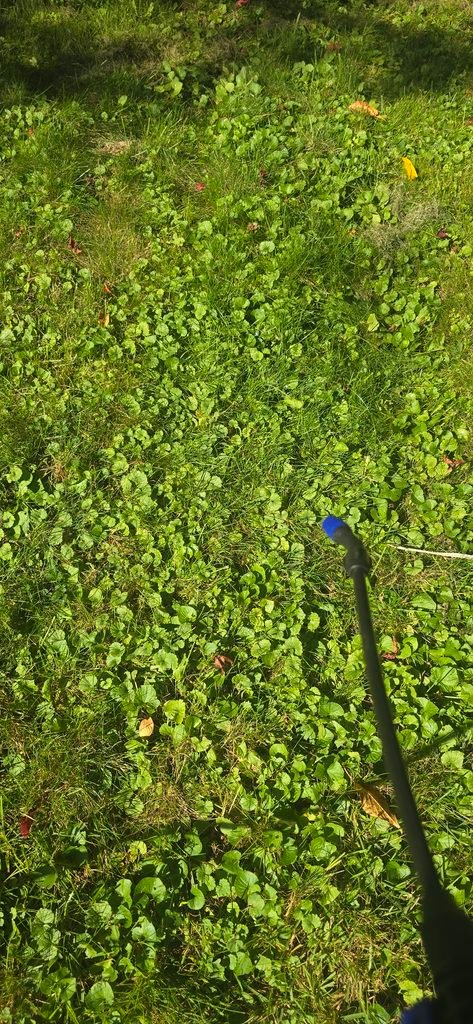
Application: I spot-sprayed directly onto the targeted patches, ensuring thorough coverage on the leaves.

Initial Results & Next Steps
If you look closely at the foliage right after spraying, you can see the light spray residue clinging to the textured leaves of the ground ivy.
Over the coming weeks—and heading into next spring—I’ll be checking back in to monitor how well the Triclopyr eliminated these roots and whether any follow-up cleanup or re-seeding is needed.
Stay tuned for the follow-up progress updates and more lawn care insights coming soon!