
Husbands, take notes: here is a top-tier pro marriage tip for you. If your wife has a favorite item that breaks, don’t immediately rush to fix it or throw it away. Tucked away safely in a drawer for a couple of years, that broken item transforms from a recent tragedy into a forgotten treasure. When you finally pull it out, repair it back to pristine condition, and hand it back to her out of nowhere, it’s like giving her a brand-new, thoughtful gift all over again!

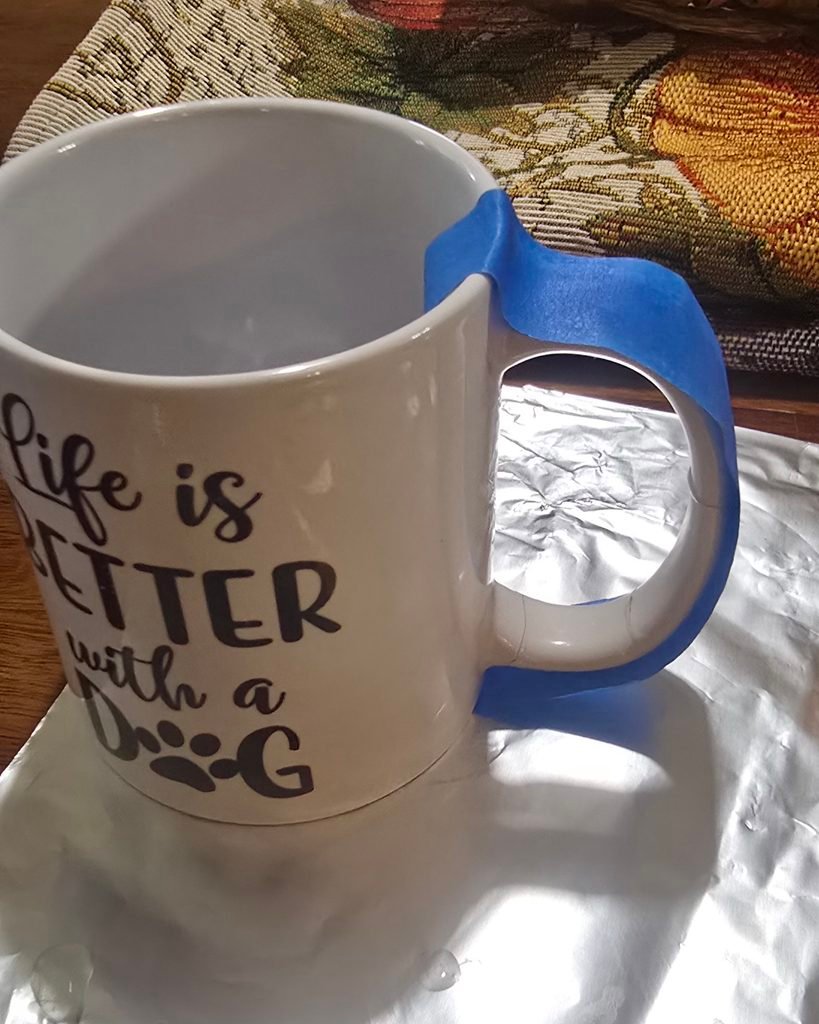
That’s exactly what happened with one of my wife’s absolute favorite custom coffee mugs. The handle had snapped into three separate pieces, and after sitting out of sight for a while, it was time for its grand comeback. She was so thrilled to get her favorite mug back in action!
Instead of tossing it, I brought it back to life using Gorilla Clear Epoxy. Here is how the process went, why epoxy is the best choice for fixing porcelain, and a few key pros, cons, and safety warnings to keep in mind.
Why Gorilla Clear Epoxy is Best for Ceramic & Porcelain
When a ceramic or porcelain handle breaks, most people reach for standard super glue (cyanoacrylate). While super glue sets fast, it isn’t ideal for structural repairs on smooth, non-porous surfaces like glazed porcelain.
Here is why two-part epoxy wins every time:
Gap Filling & Structural Strength: Super glue requires two perfectly matching surfaces with zero gaps. Epoxy acts as a structural filler, filling in microscopic chips along the fracture line so the bond doesn’t give under weight.
Superior Hold: Gorilla Clear Epoxy is rated at 3,300 PSI (pounds per square inch). That means once fully cured, the glue line itself is often stronger than the surrounding ceramic!
Water Resistance: Coffee mugs get rinsed and washed constantly. This epoxy is water-resistant, ensuring the bond won’t degrade over time when exposed to moisture.
Step-by-Step Experience & Application Tips
The repair process was straightforward, though I ran into one small issue early on that’s worth keeping in mind:

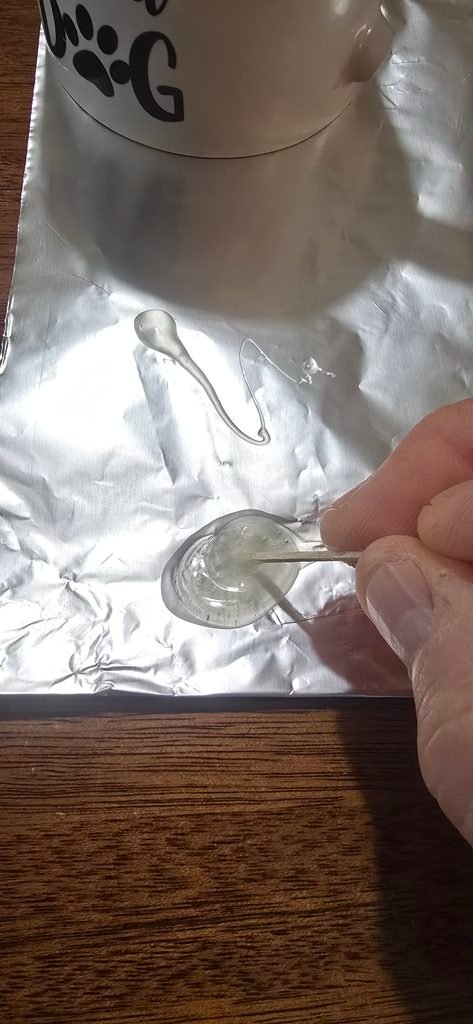
Dispensing the Epoxy: When I snapped off the tip, one side of the dual syringe dispensed faster than the other. To fix this, I simply held back until both parts (resin and hardener) were flowing equally onto my mixing foil.

Mixing: Using a toothpick, I mixed equal parts thoroughly for about 20 seconds until completely blended.
Application & Clamping: I applied the mixture to the broken sections, pressed the handle pieces back together, and used blue painter’s tape to hold everything firmly in place while it set.
Resealable Cap Feature: One neat detail about the package is that the snap-off cap flips over to serve as a reusable plug, sealing the syringe back up for future projects.

It sets in 5 minutes, but allowing the full 24 hours to cure yields maximum bond strength. Tonight, I’ll be putting it to the test by filling it up with water (and maybe adding a little extra weight) to prove it holds up effortlessly.
Pros & Cons of Epoxy Mug Repair
Pros
Unbeatable Strength: 3,300 PSI bond strength ensures the handle won’t snap off while you’re carrying a hot cup.
Clear Finish: It dries crystal clear, making the repair lines subtle.
Easy Application: 5-minute set time gives you enough window to align the broken pieces properly before it hardens.
Versatile: Great for ceramics, metals, wood, glass, and most plastics.
Cons & Crucial Cautions
Not Dishwasher Safe: Hand-washing only! High heat and harsh detergent cycles in a dishwasher can weaken epoxy bonds over time.
Microwave Caution & Food Safety: Two-part epoxies are generally not food safe for direct contact with food or drink, nor are they rated for microwave use. Since the repair is on the exterior handle and won’t touch the liquid inside, it’s safe to use, but you should avoid microwaving the mug as intense localized heat can break down the epoxy.
Other Great Uses for Gorilla Epoxy
Because of its high tensile strength and gap-filling ability, this dual-syringe epoxy is handy to keep in your toolbox for:
Repairing Pottery & Planters: Clay, terracotta, and ceramic lawn ornaments.
Fixing Broken Tool Handles: Bond wood, hard plastic, or metal handles back into place.
Glass & Decor Restoration: Mending picture frames, figurines, and glass collectibles.
Automotive & Hardware: Bonding metal bracketry or interior trim pieces.
Here’s a link if you have some repairs to make: Gorilla 2-part Epoxy and Custom Coffee mug