
As the cool autumn air settles in and frost becomes a regular morning visitor—especially for those of us in places like Central Pennsylvania—it’s time to face facts: the lawn mowing season is officially wrapping up.
Putting the mower away for the winter isn’t just about parking it in the garage and forgetting about it until spring. Taking a few deliberate steps right now will set your lawn up for a healthy spring green-up and ensure your mower fires up effortlessly on the first pull next year.
Here is a quick guide on how to handle your final cut of the year and properly put your equipment to bed.
1. Timing the Final Cut: Know Your Hardiness Zone
How do you know when you’ve made your absolute last pass of the season? It all comes down to soil temperature and frost.
Watch the Temps: Grass growth slows down drastically when soil temperatures consistently drop below 50°F. Once hard frosts hit, cool-season turf goes into semi-dormancy.
Know Your Zone: Pay attention to your local hardiness zone and average frost dates. For transition and northern zones, late October to early November is typically the sweet spot.
Pro-Tip on Cutting Height: Aim for a cutting height of 2.5 to 3 inches for your final mow.
Don’t scalp it—cutting too short exposes the crown to freeze damage and encourages spring weeds.
Don’t leave it too long—tall grass matts down under winter moisture and snow, creating an ideal breeding ground for snow mold.
2. Winterizing the Lawn Mower: What Really Matters
Once the lawn is finished, turn your attention to the equipment. A little maintenance now saves a headache in March.
Clean the Mower Deck
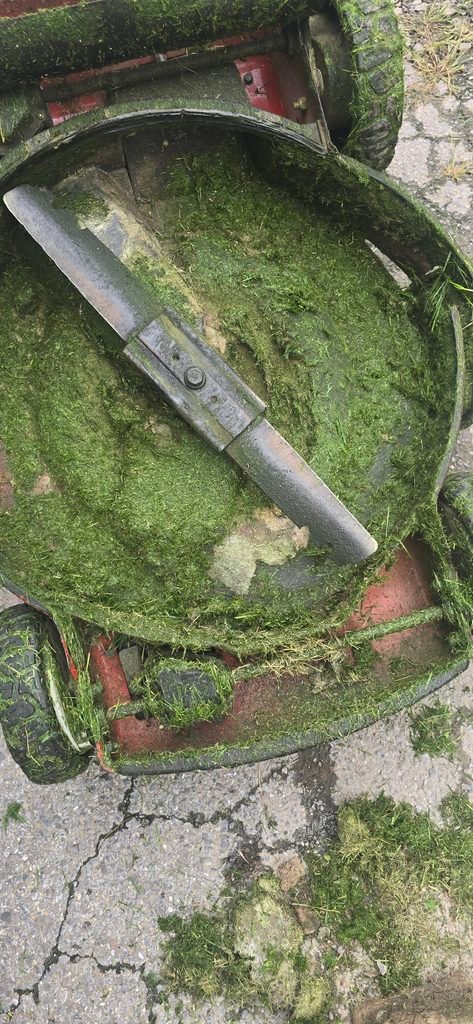
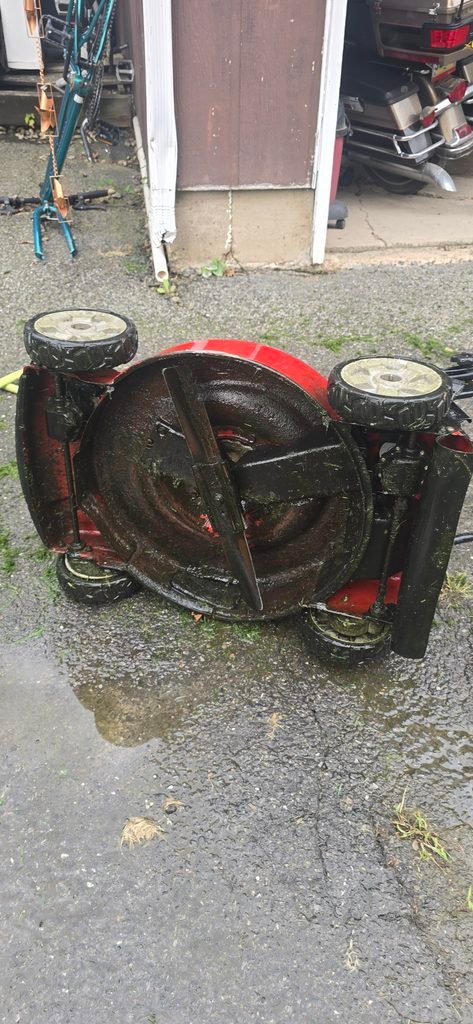
After that final pass, flip or tilt the mower safe-side up (spark plug wire disconnected!) and thoroughly scrape down the underside of the deck. Dried grass clippings trap moisture, leading to premature rust and deck rot over the winter. Clean metal breathes better and lasts longer.
Smart Fuel Management
There is a common debate about whether to run the gas tank dry or leave fuel in it over the winter. The danger with modern ethanol-blended gas is that it degrades within 30–60 days, leaving gummy deposits in the carburetor.
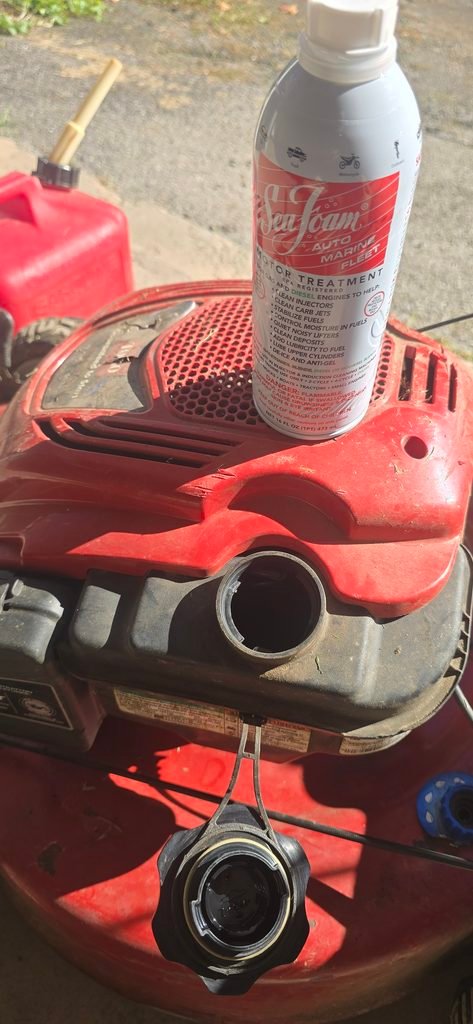
The Fuel Stabilizer Solution: If you treat your gas with a quality stabilizer like Seafoam, you don’t need to burn off half a tank idling in the driveway. A proper fuel stabilizer prevents fuel breakdown and protects against varnish for up to two years. Simply run the engine for a couple of minutes to let the treated gas circulate through the carburetor, and you’re good to store it as-is.
3. Off-Season To-Do: Blade Maintenance
Winter is the perfect time to tackle minor DIY equipment maintenance without the pressure of needing to cut the grass the next day.
Blade Care: Plan an off-season garage project to remove the mower blade. Sharpening away summer nicks or replacing a dull blade over the winter ensures clean, precise cuts come springtime (dull blades tear grass, leaving brown, vulnerable tips). Take your time to see how easy or challenging the process is—you have all winter to get it right!
Closing Out the Season
With a clean deck, stabilized fuel in the tank, and a plan for the blade, you can officially hang up the key and enjoy the winter break. Your lawn will thank you in the spring!